Achievement

Dr Akshay Kulkarni
Achievement

Dr Akshay Kulkarni on Kumarappa’s Vision for India’s Rise

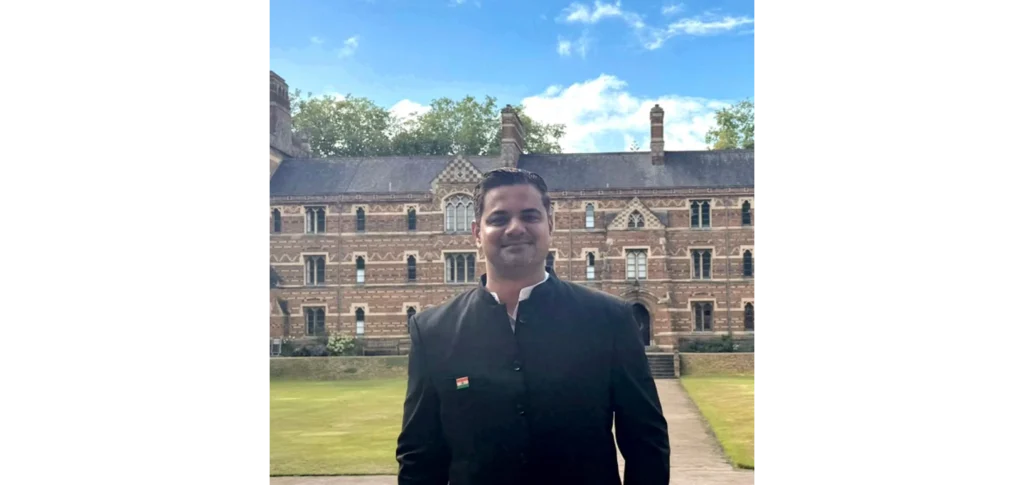
How India’s Growth Model and path to achieving a developed nation status depends on J. C. Kumarappa’s Economy of Permanence India’s path to a developed, self-reliant economy by 2047 runs straight through its villages and its platform workers, in a way J. C. Kumarappa would instantly recognise. His Gandhian vision of decentralised, locally rooted production offers a powerful framework to align rural households, gig workers and welfare policy with the $5 trillion–plus growth trajectory now projected for 2029 and beyond. J.C. Kumarappa argued for an “economy of permanence” built on renewable resources, small-scale industries and decentralised planning anchored in the village as a largely self-sufficient unit. He contended that when one fully accounts for public subsidies, environmental damage and social costs, large-scale, centralised industry often looks less efficient and less just than networks of local, labour‑intensive village industries. For Kumarappa, remunerative work for all was the first principle of economic governance, and village industries were the main instrument to secure employment, autonomy and dignity for the majority. This philosophy implies that India’s growth strategy must consciously bias policy towards local production systems, circular use of resources and bottom‑up democracy if it wants prosperity to be durable rather than fragile. If the village is the basic unit of planning, rural households become the decisive agents for self‑reliance and developed‑nation status. Kumarappa’s emphasis on local markets and small industries points to a model where households are simultaneously producers, consumers and stewards of land and ecology, not passive welfare recipients. Strengthening rural incomes through diversified farm and non‑farm activity, producer collectives and local processing can raise productivity while cutting vulnerability to distant price shocks. Such a rural‑centred approach meshes with India’s macro ambitions: sustaining 6–7 percent growth over decades will require continuous productivity gains outside a few metropolitan clusters and formal sectors. If rural households are equipped with infrastructure, credit, digital access and basic services, they can anchor domestic demand, supply agro‑based exports and reduce pressure on urban labour markets, all of which enhance self‑reliance. Reaching a $5 trillion GDP around 2029 is now seen as feasible, but structural headwinds could slow the climb to higher milestones.Persistent issues include labour‑market rigidities, land access problems and slow insolvency resolution, which together dampen investment, productivity and job creation. External risks—from trade tensions to climate shocks—further complicate long‑term planning for a large, open economy. Public welfare must therefore shift from fragmented schemes to a coherent, Kumarappa‑compatible architecture of capability building. That means prioritising universal basic services (health, education, nutrition, sanitation), portable social security, and targeted support for productive assets rather than pure consumption transfers.Well‑designed rural employment guarantees, livelihood missions and decentralized planning bodies can be aligned to create durable local infrastructure and enterprises instead of short‑term, low‑quality works. For a 2047 developed‑economy horizon, the next transformative reforms arguably belong more in agriculture and allied activities than in headline‑grabbing sectors. Kumarappa’s focus on the agrarian base underscores that without a resilient, remunerative farm economy, rural self‑reliance and ecological balance both erode. Modern challenges—from fragmented landholdings to climate volatility and market power imbalances—make this agenda even more urgent today. Reforms should centre on three fronts: first, improving land and water productivity through investments in irrigation, climate‑resilient seeds and regenerative practices; second, deepening market reforms that genuinely strengthen farmer bargaining power via cooperatives, FPOs and transparent digital platforms; and third, driving value addition through rural agro‑processing, storage and logistics so that more value stays with producer households. If combined with strong rural education and health systems, such an agricultural turn would operationalise Kumarappa’s economy of permanence, making India’s march to self‑reliant developed‑nation status by 2047 both economically feasible and socially grounded. Dr Akshay Kulkarniakshayvijaykulkarni@gmail.comLinkedIn

Dr. Raviprasad Sajjan
Achievement

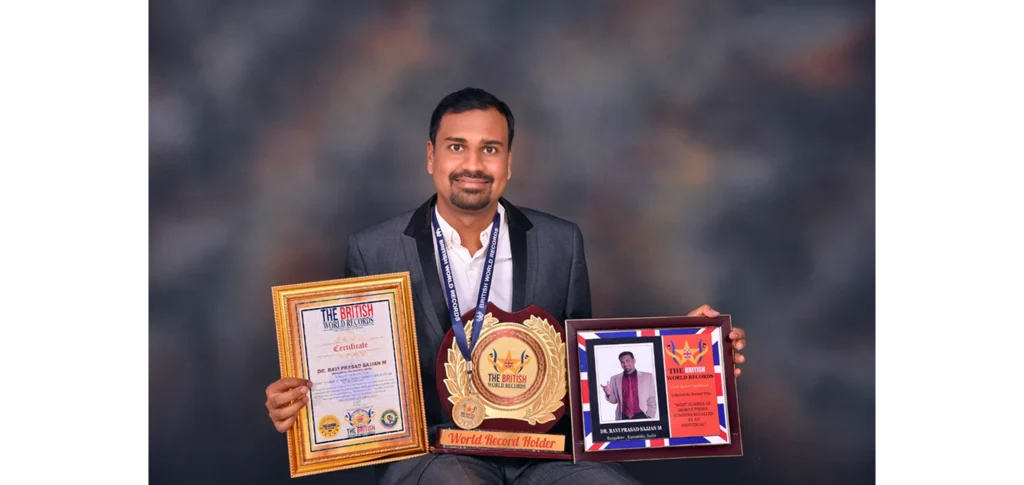
Dr. Raviprasad Sajjan Creates History with Record in Memory Power

World’s First & Only World Record Holder in Memory Power for Mobile Numbers: Dr. Raviprasad Sajjan “Memory Power is the finest skill that not many could master. Unlike other skills, even Memory Power is also a skill which everyone can learn and can be improved upon,” says Dr. Raviprasad Sajjan M., who is an International Mind & Memory Trainer and also a Multiple World Records Holder in Memory Power. DR. RAVIPRASAD SAJJAN – WORLD MEMORY MAN: Dr. Raviprasad Sajjan M. holds multiple world records in his name in the field of Memory Power. Dr. Raviprasad Sajjan M. has set a new world record of “Memorizing and Recalling the Maximum Number of Mobile Phone Numbers by an Individual in the Whole World.” During the World Record Demonstration event, Dr. Raviprasad Sajjan recalled around 1,010 (one thousand and ten) mobile phone numbers with 100% accuracy (with no mistakes while recalling) at a stretch, without taking any breaks in between. Each mobile phone number had 10 digits in it. For memorizing purposes, he has taken the list of names with their mobile numbers from his contact list of his mobile phone. Dr. Raviprasad Sajjan is popularly known as the “World’s First and One & Only Memory King of Mobile Numbers,” because he is the “World’s First Person and One & Only Person to Memorize & Recall Mobile Numbers.” Till date, no one in the whole world has ever attempted to make such a world record before in Memory Power, by memorizing & recalling mobile phone numbers. The efforts taken by Dr. Raviprasad Sajjan are worth appreciating. DR. RAVIPRASAD SAJJAN M.: ✅ PGDOLG, PGDRS, PGDIPR, FISCA, FBPS, FSSN, MSFSN, LMSADHNA, MABRF ✅ CEO of “Master Mind Power Secrets Pvt. Ltd.” (Bengaluru, India) ✅ Founder & President at Dr. Scientist International School ✅ Certified Hypnotist by the “International Hypnosis Association (USA)” & “General Hypnotherapy Standards Council (UK)” ✅ Certified International Trainer in Memory & Mind Power (American Merit Council, USA) ✅ Multiple World Records Holder in Memory Power ✅ Renowned Success Coach, Motivator, Poet, Writer & Educator ✅ International Mind Reader, Illusionist, Mentalist ✅ Certified Memory Trainer (Bengaluru, India) ✅ Certified Mind Trainer (India) ✅ Certified Tarot Card Reader & Expert (India) ✅ Certified Memory Trainer (India) ✅ Grapho Therapy & Handwriting Analyst ✅ Qualified Memory & Mind Master (India) ✅ Certified Psycho Neuro Therapist (India) ✅ Certified International Phonics Trainer (India) ✅ Certified International Vedic Maths Trainer (India) ✅ Chief Editor for several Peer-Reviewed Scientific Research Journals ✅ Author of multiple books & scientific research papers ✅ Certified Memory Coach & Arbiter (Judge) for the Indian Memory Championships (India) & World Memory Championships (Indian Edition) by World Memory Sports Council (London) MULTIPLE WORLD RECORD HOLDER: His world record event was thoroughly checked and verified by the presence of official adjudicators from many world record organizations from all over the world, viz., Thus, his name has been officially included in various world record organizations stretching from India, UK, USA, UAE, Nigeria, America, Europe, etc. Until now, nobody has broken Dr. Raviprasad Sajjan’s record from Guinness World Records & Limca Book of Records. HIS TRAINING PROGRAM IN INDIA & ABROAD: So far, Dr. Raviprasad Sajjan has read around 3,000 scientific research papers, thesis, and peer-reviewed scientific research journals on various topics, viz., Memory Power, Mind Power, Vedic Mathematics, Life, Love, Happiness, Health, Yoga, Human Relationships, Effective Parenting, Human Psychology, etc. After acquiring vast knowledge on the subject, he thought of spreading his knowledge for the benefit of mankind. So he poured every ounce of talent he had and started teaching his knowledge and skills on Memory and Mind Power to various students at schools, colleges, and universities by conducting seminars and workshops on “Memory and Mind Power”. Students started getting massive results in their academics. Inspired by this, Dr. Raviprasad Sajjan established his own private company by the name “Master Mind Power Secrets Pvt. Ltd. (MMPS Pvt. Ltd.)” in Bengaluru, India, which is an international company known for “Memory and Mind Power Training” in India and abroad. At present, his company aims to educate and train the people, make efforts, and mitigate some of the most pressing issues that are being faced by the people. He conducts seminars and workshops on various topics like Memory Power, Mind Power, Vedic Mathematics, Speed Reading, Leadership, Happiness, Life Management, Soft Skills, Effective Parenting, etc. across India and internationally, in locations like Singapore, Bangkok, and Malaysia. So far, more than 6 lakhs people have benefited from his training programs. APPEARED INNUMERABLE TIMES IN PRINT MEDIA & TV MEDIA: His world record achievement got huge appreciation from various print media & TV media officials from across the globe. We appreciate him for being the only person in the whole world to set this new world record in Memory Power. His seminars, workshops, and his whole life journey have appeared in all international & national leading newspapers & TV media several times across the globe. He never forgets to thank the support given by print media & TV media. Follow Dr. Raviprasad Sajjan on Social Media: YouTube – https://www.youtube.com/@drraviprasadsajjan Facebook – https://www.facebook.com/drraviprasadsajjan Instagram – https://instagram.com/drraviprasadsajjan For any query, please contact: +91-91081 20048.

The Spirit of the Tigers
Achievement

The Spirit of Tigers Wins at Hasanamba Film Festival

The Spirit of the Tiger’s Echoes of the Festival: A Celebration of Tradition Amid the vibrant rhythms and colors of the Hasanamba Film Festival, The Spirit of Tigers has been recognized for its excellence in makeup artistry. This award stands as a testament to the intricate craftsmanship and attention to detail that brought the festival’s cultural heritage to life on screen. Directed by Kulbhushan Sarin and produced by Ilaa Jain, the documentary captures not only the majesty of the tiger but also the dedication of the artists who keep these traditions alive. The award highlights the film’s ability to honor and showcase the richness of cultural practices with grace and authenticity. This recognition is also a tribute to Little Crew Visions’ unwavering commitment to preserving and celebrating India’s diverse cultural heritage. It reflects the meticulous attention to detail that the team brings to every frame — ensuring that the visual storytelling remains as compelling as the narrative itself. As the film continues to garner accolades, The Spirit of Tigers stands as a shining example of how traditional art forms can be brought to the global stage with authenticity, creativity, and deep respect. About the Film 🎬 Film Title: The Spirit of Tigers 🎥 Director: Kulbhushan Sarin 💡 Producer: Ilaa Jain 🏆 Award: Best Awareness Film – 24 Hours Film Challenge 2025 🎞️ Production House: Little Crew Visions Productions Discover more inspiring work by Little Crew Visions: 🌐 linktr.ee/littlecrewvisions Instagram :- https://www.instagram.com/reels/DM22LZDT8Nx/

Dr. Jitendra Patwari
Achievement

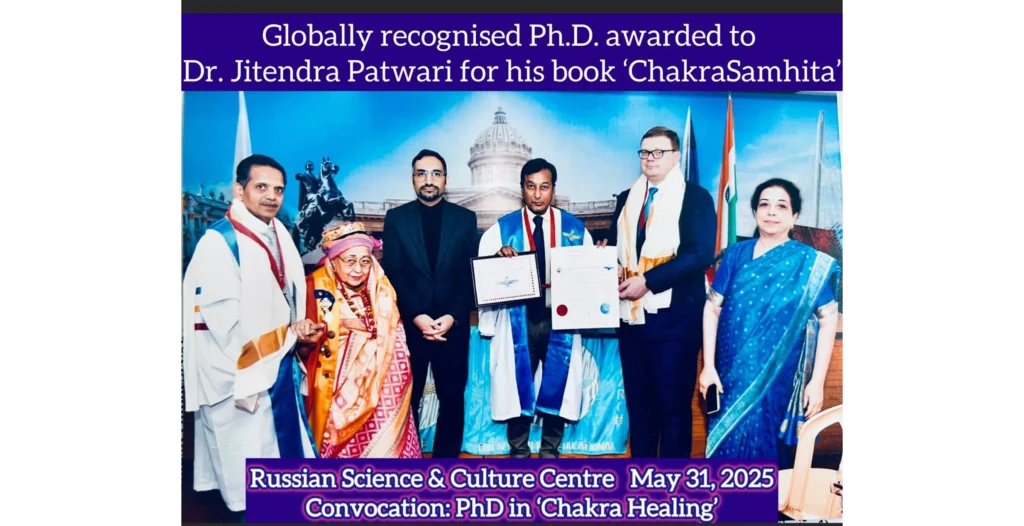
Dr. Jitendra Patwari Earns World’s First Chakra Healing PhD

From Illness to Inspiration:  Dr. Jitendra Patwari’s ‘ChakraSamhita’ Turned Pain into a Global Contribution There are stories that make us pause and rethink what healing really means. The life of Dr Jitendra Patwari, the world’s first PhD in Chakra Healing, is one such story—a journey that began in pain and ended as a global message of hope, science, and self-mastery. When medicine had no answers During 1998, Dr Patwari was diagnosed with Ramsay Hunt Syndrome, a rare and painful facial nerve disorder. Leading doctors in India and London gave a discouraging verdict—recovery was impossible. But instead of giving up, he made a quiet promise to himself: “If science cannot heal me, I will find the science within.” That inner decision marked the beginning of an extraordinary personal experiment. Through disciplined meditation, kundalini work and the systematic study of chakra energy, he not only recovered fully but began exploring how such inner practices could support others in their physical and emotional healing. From self-healing to scientific pursuit Dr Patwari’s academic feat has elevated the rich tradition of Indian chakra science to unprecedented scholarly heights. His doctorate, conferred by the prestigious International Open University for Complementary Medicines, Russia, during the 39th World Congress of Medicina Alternativa—held at the Russian House, Mumbai—marks the first global academic recognition of this subtle yet profound healing system. The ceremony was graced by Consul Generals from Russia, Iran, and Belarus, alongside other international dignitaries. The event was facilitated by Zoroastrian College, an NGO affiliated with the United Nations. It was a proud moment for India, the birthplace of yoga and meditation. For the first time, a holistic discipline deeply rooted in Indian tradition received international academic validation, bridging ancient spirituality with modern scientific standards. The birth of ChakraSamhita During his research and practice, Dr Patwari compiled decades of insights into his remarkable book, ChakraSamhita. Written in simple language, it explains how imbalances in the seven energy centres affect physical health, relationships, and mental peace—and how these can be realigned through conscious awareness, guided visualisation, and daily discipline. Readers describe the book as a friend in healing rather than a spiritual manual. It doesn’t preach; it guides—offering clarity, tools, and reflection points for people of all backgrounds. A mission called Bennitto Life Solutions Dr Patwari founded Bennitto Life Solutions Pvt. Ltd., a wellness organisation that integrates chakra healing, counselling, and hypnosis into practical programs for individuals and corporates. Over the years, tens of thousands across India, the UK, Canada, the US and the Gulf have experienced transformation through his workshops and sessions. From helping youth manage anxiety and overthinking to guiding professionals towards emotional stability, his methods have proven effective across diverse cultures. A personal journey that became a public purpose What makes Dr Patwari’s story deeply touching is that he never sought fame. He often says, “I didn’t chase healing to prove something. I chased it to feel alive again.”That sincerity resonates with thousands who attend his programmess. Whether speaking at a corporate seminar or guiding a meditation group, he maintains a simple message—healing is a daily habit, not a weekend escape. His personal discipline continues even today: morning meditation, research, counselling, and writing. Despite being globally recognised, he remains approachable and humorous, often quoting old Hindi songs to make a point. In his words, “Even the mind needs music—it’s the background score of awareness.” A message to the world Dr Patwari’s achievement symbolises a new chapter in global wellness—where India’s timeless knowledge meets modern academic honour. His PhD, validated through the UN Academic Impact, signals that energy-based healing is no longer confined to ashrams—it has entered universities. For India, it is a matter of pride that such a recognition has emerged from its soil. For the world, it is a reminder that healing is not merely medical—it is holistic, combining body, mind, and awareness. In the end, Dr Jitendra Patwari’s journey teaches a simple truth: sometimes life breaks you just enough to rebuild you into what the world needs next. (Those wishing to reach Dr. Patwari may contact him on  jitpatwari@rediffmail.com / WhatsApp at +91 79845 81614.

Transformers Hub Shobhit Singhal
Achievement

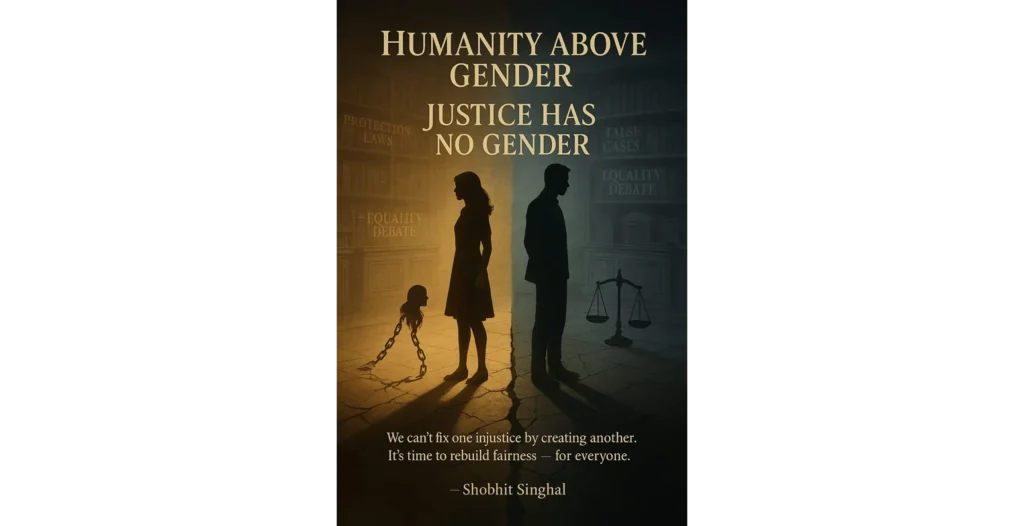
Transformers Hub | Shobhit Singhal on True Equality

It’s Time to Talk About Humanity — Not Just Gender I was twelve years old when I lost my mother. That loss shaped my understanding of pain, compassion, and resilience.I grew up with two sisters—strong, capable women who have been my anchors through every storm. I have worked with dozens of women as clients, colleagues, and friends. Their integrity, intelligence, and empathy inspire me every day.If anything ever happened to them—if they faced harassment, violence, or injustice—I would be devastated. I would stand with them, fight for them, do everything in my power to protect them.Because I don’t just see gender. I see human beings. When Compassion Becomes Selective And yet, another phenomenon has been quietly growing in our society—a kind of reverse injustice that few are willing to acknowledge.In the name of protection, we have built systems that sometimes forget fairness. We have enacted laws to safeguard one gender so decisively that, unintentionally, the other gender may become vulnerable in certain situations.I am talking about the state of men in India today—not from a place of bitterness, but from a place of balance. The Origin of the Imbalance Let’s be honest—women in India have faced immense hardship for centuries. They were denied property rights, excluded from education, silenced in public life, and confined to domestic roles.So, when India gained independence, lawmakers took a deeply noble step—they sought to correct that history by creating laws to protect women, ensure they were no longer victims of systemic injustice.And it worked: women began entering universities, offices, leadership roles. A society that once silenced them started to hear their voice.But somewhere along the way, a protection law became a power instrument. And when a protection law can be misused without consequence, it stops being protection—and starts tipping into discrimination of another kind. The Legal Reality Our current system has several laws that are gender‐specific rather than gender‐neutral.For example: Why There’s Limited Redress for False Accusations One of the most painful parts? When a false case devastates a man’s life, there is almost no automatic legal accountability for the accuser.Why? Because the law was drafted with the assumption that women are vulnerable and men are inherently safe. Courts may hesitate to penalise women for fear of discouraging real victims. That’s understandable—but it’s also unfair.There is no automatic penalty for filing a false complaint under 498A. The man has to initiate a separate case under e.g., Indian Penal Code Section 182 (false information) or Indian Penal Code Section 211 (false charge with intent to cause injury)—a process that itself takes years, drains emotional and financial resources of an already broken person.In one noted case, the Supreme Court of India in 2025 quashed a 26-year ordeal of a husband wrongly imprisoned under 498A and noted that the FIR was vague and unsupported by credible evidence. The Larger Social and Psychological Picture The legal imbalance is only one layer. Beneath it lies deep cultural and psychological conditioning. Society still often sees women as “the weaker side.” So when a woman speaks, there’s an instinctive inclination to believe her. When a man speaks, the burden to prove he is suffering is often much higher.That’s not empathy. That’s bias disguised as compassion.The result: even in cases of male victimhood, men are rarely seen as victims. They’re often seen as potential offenders who “must have done something.”And this is the dangerous generalisation that happens when one group is blamed for the wrongdoing of one person. When one man hurts a woman, the suspicion can extend to every man. That is not justice. That is prejudice. And prejudice, no matter who it targets, is always wrong. The Role of Media and Public Narrative Media plays a massive role in shaping perception. Headlines about “husband tortures wife” flood prime-time news. But when the same man is acquitted years later, it rarely makes a headline. Victim stories sell; correction stories don’t.This imbalance in coverage shapes public opinion, making it nearly impossible for people to separate truth from noise. And because there’s no institutional mechanism to track male victimhood (no “Men’s Commission”), these stories vanish into silence.We’ve built an ecosystem—from law to media to social conversation—that amplifies one side and ignores the other. That’s not equality. That’s an asymmetry of empathy. The Political Angle — A Vote-Bank Blind Spot There’s another uncomfortable truth. Women’s welfare is politically powerful. Every government builds its gender agenda around protecting women. And this is important—education, safety, empowerment for women remain key priorities.But this political focus has created a blind spot: there is little political incentive to talk about men’s welfare in equivalent measure. We have a Ministry for Women & Child Development, a National Commission for Women—but no equivalent independent national body dedicated to men’s welfare, male victimhood, male suicides, or false accusation cases.Without data, a problem doesn’t exist on paper. Without existence on paper, it doesn’t exist in policy. That’s why certain injustices remain invisible—not because people don’t care, but because there’s no mechanism to see them. The Emotional Fallout Behind every false case or biased system are human beings—fathers, sons, brothers—who silently carry the burden. Many lose jobs, relationships, social credibility even before the trial begins. Some take their own lives.Remember: male suicide rates in India are significantly higher than female rates. Imagine being innocent, yet publicly shamed. Imagine fighting for years—not to win, but just to prove you’re not a monster.This isn’t just a “men’s issue.” It’s a human tragedy that we’ve chosen to overlook. Why Women Hold the Key Here’s the truth few are willing to say aloud: This change will not come from men alone. If men demand equality, it often gets dismissed as defensiveness. But when women demand fairness—for both sides—it becomes a movement.Women have fought for equality for decades. They know what injustice feels like. Now, they can lead the next evolution—human equality.This doesn’t weaken the movement for women’s rights; it strengthens it. Because true equality is not about one side winning, but about both sides standing together. The Human

Kadamba Single Malt
Achievement

Kadamba Single Malt: Crafted in India, Loved Worldwide

Kadamba Single-malt: Crafted in India yet Celebrated Worldwide! In cities like London, Tokyo, and New York, whisky enthusiasts now pick up Indian single malts not just for their taste, but also because of the global acclaim they’ve earned. Indian single malts have become National Pride —they are a story of credibility, confidence and a new reimagined India. Indian single malts have today carved out a place of their own. No longer viewed as substitutes for Scotch, they are now celebrated for their unique character, bold flavours and consistent global recognition. The story of Indian single malts is nothing short of remarkable—a journey that reflects how craft, terroir and credibility have converged to reshape global perceptions of Indian spirits. At the heart of India’s single malt renaissance is its distinct terroir and climatic conditions. Unlike Scotland, where whiskies mature slowly in cold warehouses, India’s warm climate accelerates the ageing process. Barrels breathe deeper, the whisky interacts intensely with the oak and a remarkable depth of flavour is achieved in a shorter span of time. This accelerated maturation, coupled with a higher angel’s share, creates complex spirits that stand apart in their profile. Adding to this, the usage of indigenous six-row barley—known for its higher protein content and unique texture—and you have a liquid that naturally sets itself apart. The result is a portfolio of whiskies that carry tropical fruit notes, rich spice layers and an intense complexity rarely found elsewhere. Over the past decade, Indian brands have stormed international competitions, bagging many Gold Medals. These accolades have been more than just trophies. They’ve acted as credibility markers in a crowded global marketplace, proving that Indian craftsmanship can rival, and sometimes surpass, long-established whisky traditions. This global momentum has reshaped consumer perception back home as well. A decade ago, Indian whisky drinkers looked westward, associating “premium” with Scotch imports. Today, there’s a palpable sense of pride in sipping a dram that’s crafted in India yet celebrated worldwide. The millennial and Gen Z consumers, in particular, have embraced these homegrown malts—not just as beverages, but as cultural icons. The premiumisation wave in India has further accelerated this shift. A new generation of consumers, influenced by global exposure and a sense of pride in Indian craftsmanship, is trading up from mass-market offerings to premium whiskies. Indian single malts perfectly embody this transition—they are modern yet rooted in tradition, global in stature yet unmistakably Indian in character. Innovation has become the cornerstone of India’s single malt journey, with brands boldly experimenting beyond traditional maturation styles. Distillers are embracing a wide spectrum of casks—ranging from Sherry, Agave, Caribbean and Champagne barrels to unconventional finishes such as Goa’s famous Feni barrels —each imparting its own layer of character to the spirit. While still retaining the essence of Indian terroir, has allowed Indian single malts to deliver truly unique profiles that intrigue both seasoned whisky connoisseurs and adventurous new consumers worldwide!

Advocate Agnel Monteiro
Achievement

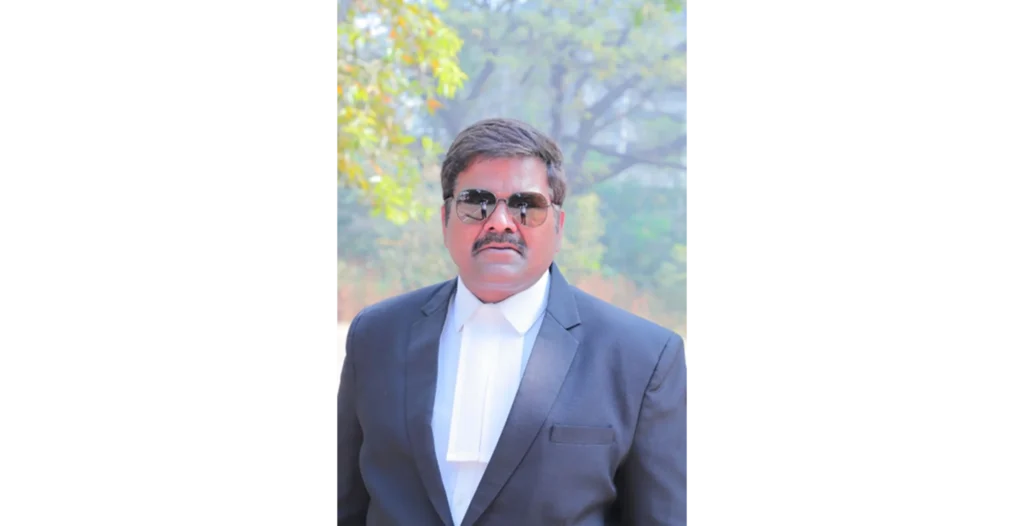
Advocate Agnel Monteiro Secures Bail in Vakola Case

Advocate Agnel Monteiro Secures Bail in a High-Profile Vakola Case: A Testament to Skilled and Principled Advocacy By Legal Correspondent In yet another display of professional excellence, Advocate Agnel Monteiro Antonio, a practising advocate at the Bombay High Court and District Courts, has successfully secured bail for his client in a sensitive and complex case registered at Vakola Police Station, Mumbai. The matter, which attracted attention due to its delicate personal circumstances and emotional undertones, required a careful balance between empathy, legal precision, and adherence to the rule of law. Advocate Monteiro’s arguments before the Sessions Court demonstrated clarity, composure, and a deep understanding of the principles that govern personal liberty and justice. According to sources, the case involved allegations that required nuanced handling and thoughtful representation. Advocate Monteiro built his argument around the fundamental tenets of criminal law — emphasizing the presumption of innocence, the protection of individual liberty, and the constitutional guarantee under Article 21. He stressed that every accused person deserves an opportunity to defend themselves with dignity and fairness, and that pre-trial incarceration should never become punitive. His submissions were marked by both empathy and professionalism. He relied on established principles laid down by higher courts, highlighting that bail is the rule and jail is the exception, and that the purpose of bail is to ensure presence during trial, not to inflict punishment before conviction. The Court, after hearing detailed arguments, accepted the defence’s contention and granted bail to the applicant. The order came as a relief to the family of the accused, who had maintained faith in the legal process throughout the proceedings. Speaking after the order, Advocate Monteiro remarked, “Justice is not only about punishment — it is also about protecting the rights of individuals. The foundation of our legal system lies in fairness, balance, and compassion. I am grateful that the Court recognized the importance of these principles.” He further added that each bail case presents a moral and legal challenge for an advocate — to uphold the dignity of law while ensuring that human rights are not compromised in the process. The client’s family expressed heartfelt gratitude to the legal system, stating, “We have full faith in the judiciary. The fairness and sensitivity shown by the Court reaffirm our belief that justice prevails in this country. We are law-abiding citizens and thankful to Advocate Monteiro for his tireless efforts and guidance during this difficult time.” Colleagues from the legal fraternity have lauded Advocate Monteiro’s balanced approach and courtroom presentation. Known for his composed demeanor and meticulous preparation, he has consistently earned respect for his commitment to ethics, diligence, and humane advocacy. Over the years, Advocate Monteiro has handled several challenging criminal and anticipatory bail matters across Mumbai, Kalyan, Bhiwandi, and Thane courts. His reputation as a sincere and compassionate lawyer continues to grow within the legal community. The present success further strengthens his standing as an advocate who not only knows the law but also understands the human side of justice. In an era where sensationalism often overshadows substance, cases like these serve as reminders that the essence of advocacy lies in integrity, empathy, and perseverance. Advocate Monteiro’s achievement stands as a testament to the principle that justice, when pursued with honesty and determination, can restore dignity and hope — both to clients and to the legal profession itself.

कल्कि सेना
Achievement

कल्कि सेना प्रशिक्षण 2025: विंग कमांडर द्विवेदी का संदेश

“भारत का 2.75 युद्ध और नए युग के नागरिक योद्धा” — विंग कमांडर पुष्कल द्विवेदी ने कल्कि सेना के दीक्षांत समारोह में दी रणनीतिक प्रेरणा नोएडा, अक्तूबर 2025 —कल्कि सेना की उत्तरी कमांड द्वारा संचालित “काउंटर टेररिस्ट कॉम्बैट कोर्स 2025” के भव्य समापन समारोह में विंग कमांडर (डॉ.) पुष्कल विजय द्विवेदी (सेवानिवृत्त) ने अपने प्रभावशाली संबोधन में भारत की समग्र सुरक्षा दृष्टि और “2.75 वॉर सिद्धांत” की प्रासंगिकता पर विस्तार से प्रकाश डाला। उन्होंने कहा कि भारत की वास्तविक सुरक्षा सीमाओं पर नहीं, बल्कि कक्षा-कक्षों, न्यायालयों और नागरिक चेतना में निहित है। विंग कमांडर द्विवेदी ने कहा —“भारत आज केवल दो नहीं, बल्कि 2.75 मोर्चों पर युद्ध लड़ रहा है — दो बाहरी, आधा आंतरिक और चौथाई मानसिक। यह चौथाई युद्ध (.25 वार) सबसे महत्वपूर्ण है क्योंकि यह हमारे भीतर की औपनिवेशिक मानसिकता, ब्रिटिश प्रशासनिक सोच और मुगल कालीन मनोवृत्ति से जुड़ा है। जब तक यह आंतरिक बंधन टूटेगा नहीं, तब तक कोई बाहरी विजय स्थायी नहीं होगी।” धर्म, अनुशासन और राष्ट्रीय पुनर्जागरण का त्रिवेणी संगम अपने भाषण में द्विवेदी ने स्पष्ट किया कि कल्कि सेना केवल प्रशिक्षण देने वाला संगठन नहीं, बल्कि एक राष्ट्रीय चेतना आंदोलन है। उन्होंने कहा —“हम ऐसा समाज गढ़ रहे हैं जो धर्म और अनुशासन के संयोग से स्वयं में सुरक्षा कवच बन जाए। हमारे ‘कल्कि वारियर्स’ न केवल शारीरिक रूप से दक्ष हैं, बल्कि वैदिक ‘शक्ति’ के सिद्धांत से प्रेरित आत्मिक योद्धा हैं। धर्म, शक्ति और राष्ट्रप्रेम जब एक साथ चलते हैं, तो भारत को कोई नहीं झुका सकता।” उन्होंने कहा कि हर नागरिक का प्रशिक्षित और सजग होना ही भविष्य की सबसे बड़ी सुरक्षा नीति है।“सरकार या सेना के साथ-साथ यदि आम नागरिक भी जिम्मेदारी से राष्ट्रहित में तैयार खड़ा हो, तो यह ही सच्चा सिविल डिफेंस होगा।” 2.75 वॉर — आधुनिक भारत की रणनीतिक चेतना द्विवेदी ने बताया कि उनका “2.75 वॉर सिद्धांत” केवल सैन्य सोच नहीं, बल्कि सांस्कृतिक, शैक्षणिक और संस्थागत युद्ध की अवधारणा है।उन्होंने कहा —“.25 वार का मतलब है — उस मानसिक गुलामी से मुक्त होना जो आज भी हमारी नीतियों, कानूनों और न्याय व्यवस्था में छिपी हुई है। जब तक शिक्षा और प्रशासन भारतीय दृष्टि पर आधारित नहीं होंगे, तब तक हम 2.5 मोर्चों — यानी बाहरी और आंतरिक युद्धों — में जीत हासिल नहीं कर सकते।” उन्होंने “बैकवर्ड विक्ट्री” की अपनी रणनीति को समझाते हुए कहा —“पहले .25 वार में विजय प्राप्त करें, यानी मानसिक और प्रशासनिक औपनिवेशिकता से मुक्ति पाएं। फिर 0.5 वार यानी विचारधारात्मक और चरमपंथी संकटों को समाप्त करें। तब जाकर बाहरी मोर्चों — चीन और पाकिस्तान — पर भारत निर्णायक विजय हासिल करेगा।” कल्कि सेना का प्रशिक्षण — नागरिक अनुशासन का नया मॉडल नोएडा स्थित टैक्टिकल ट्रेनिंग सेंटर में आयोजित इस प्रशिक्षण में युवाओं और महिलाओं ने अर्बन वॉरफेयर, क्लोज क्वार्टर बैटल, सर्वाइवल साइकोलॉजी, सर्विलांस, हथियार संचालन और रेस्क्यू ऑपरेशन्स जैसे विषयों में प्रशिक्षण प्राप्त किया।द्विवेदी ने कहा कि यह कार्यक्रम सेना का विकल्प नहीं बल्कि राष्ट्रीय नागरिक सशक्तिकरण का विस्तार है।उन्होंने कहा —“जब भारत का हर नागरिक प्रशिक्षित, आत्मसंयमी और सजग होगा, तब कोई भी आतंकी या वैचारिक शक्ति इस राष्ट्र को झुका नहीं सकेगी।” विंग कमांडर (डॉ.) पुष्कल विजय द्विवेदी — रणनीतिक नेतृत्व और भारतीय चेतना का संगम विंग कमांडर (डॉ.) पुष्कल विजय द्विवेदी भारतीय वायुसेना के वरिष्ठ अधिकारी रहे हैं। वे भारतीय शिक्षा अनुसंधान परिषद (BSAP) के महानिदेशक, चीफ सेक्रेटरी यूनाइटेड नेशंस GHRT तथा डीआरडीओ और रक्षा मंत्रालय के विकास सहयोगी के रूप में अपनी कंपनियों के माध्यम से रक्षा तकनीक और नवाचार परियोजनाओं में योगदान दे रहे हैं। उन्होंने क्वांटम वेपन्स पर डॉक्टरेट की उपाधि प्राप्त की है, छह पुस्तकों के लेखक हैं, और उन्हें विश्व स्तर पर ‘फादर ऑफ सेल्फ डिफेंस साइंस’ के रूप में मान्यता प्राप्त है।उनकी कल्पना से बना विषय Self Defence Science अब भारतीय शिक्षा बोर्ड के पाठ्यक्रम में सम्मिलित है, जो बच्चों में अनुशासन, मानसिक दृढ़ता और सुरक्षा चेतना विकसित करता है। कल्कि वारियर्स — नए भारत के जागृत प्रहरी अपने उद्बोधन के अंत में द्विवेदी ने कहा —“भारत अब केवल सीमाओं पर रक्षा करने वाला देश नहीं, बल्कि एक जागृत सभ्यता है। हमारे कल्कि वारियर्स उस सभ्यता की चेतना हैं — जो भीतर से राष्ट्र को अजेय बनाते हैं। जब हर नागरिक स्वयं को योद्धा समझेगा — चाहे वह छात्र हो या शिक्षक, किसान हो या वैज्ञानिक — तब भारत 2.75 वॉर में स्वाभाविक रूप से विजयी होगा।” उन्होंने प्रशिक्षित सिविलियन कमांडोज़ को बधाई देते हुए कहा कि यह दीक्षांत समारोह केवल एक प्रशिक्षण का समापन नहीं, बल्कि भारत की आत्मरक्षा संस्कृति के पुनरुत्थान की शुरुआत है। सार: नोएडा में आयोजित कल्कि सेना के “काउंटर टेररिस्ट कॉम्बैट कोर्स 2025” के समापन अवसर पर विंग कमांडर (डॉ.) पुष्कल विजय द्विवेदी का वक्तव्य “2.75 वॉर सिद्धांत” की व्यावहारिक व्याख्या बनकर उभरा — एक ऐसा विचार जो नागरिक अनुशासन, सांस्कृतिक आत्मविश्वास और राष्ट्र-सुरक्षा को एक सूत्र में पिरोता है, और जो भारत को आत्मनिर्भर, आत्मरक्षक तथा आत्मगौरवशाली युग की ओर अग्रसर करता है।

Adv. Sudhakar Kumar
Achievement

Adv. Sudhakar Kumar: Transforming Bihar’s Legal System

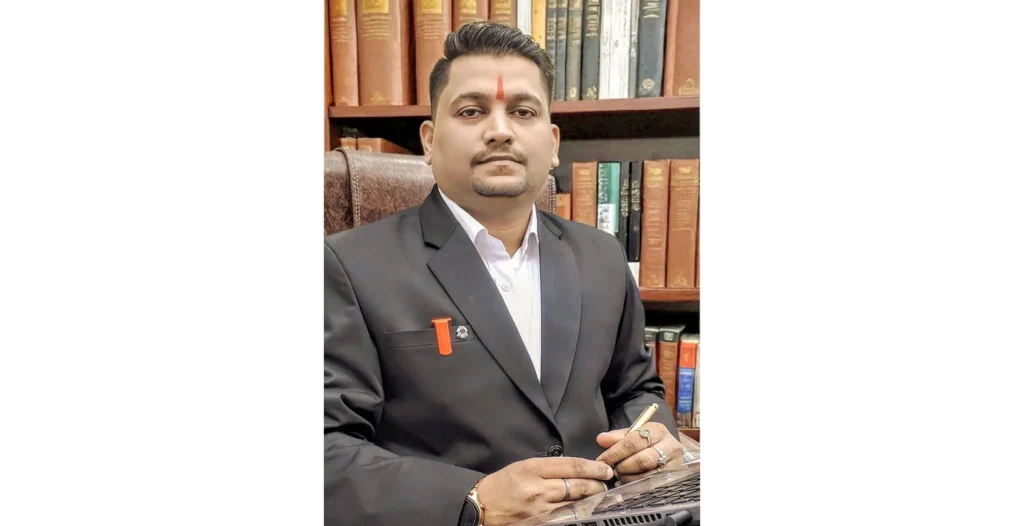
Adv. Sudhakar Kumar – A Young Legal Mind Transforming Bihar’s Legal Landscape GulKishan Advocates Chamber, Patna High Court, Bihar“संविधान हमारा संकल्प, न्याय हमारा धर्म” Early Background and Journey Born and brought up in Bihar, Sudhakar Kumar pursued commerce and law before stepping into active legal practice. His strong family roots in accounting and legal advisory shaped his vision to combine traditional values with modern legal solutions. Today, he represents a new face of Bihar’s legal fraternity, blending academic depth with practical advocacy. “संविधान हमारा संकल्प, न्याय हमारा धर्म” – यही विश्वास उनके सफर को दिशा देता है। Patna High Court Practice At the Patna High Court, Adv. Sudhakar Kumar has built a reputation for clarity of thought, client-centric strategies, and ethical advocacy. His focus areas include: हर मुकदमा और हर दलील GulKishan Advocates Chamber में इसी सिद्धांत पर आधारित है — “संविधान हमारा संकल्प, न्याय हमारा धर्म”। GulKishan Advocates Chamber – Legacy with Vision The firm traces its lineage back to 1979, when it was earlier known as V.S. Chandra & Associates. Rebranded as GulKishan Advocates Chamber under Sudhakar Kumar, it now operates as a modern legal hub in Bihar. The chamber is recognized for: इस पूरे सफर की नींव है — “संविधान हमारा संकल्प, न्याय हमारा धर्म”। Bihar-Focused Legal Initiatives Sudhakar Kumar believes Bihar’s future lies in legal awareness and accessibility. Some of his initiatives include: हर पहल का मूल मंत्र है — “संविधान हमारा संकल्प, न्याय हमारा धर्म”। Personal Vision for Bihar With one foot in criminal advocacy and another in legal entrepreneurship, Sudhakar Kumar envisions Bihar as a state where: उनका व्यक्तिगत और पेशेवर ध्येय हमेशा यही है — “संविधान हमारा संकल्प, न्याय हमारा धर्म”। Recognition and Impact GulKishan Advocates Chamber under his leadership is not just a law firm — it is an institution in making, inspired by “संविधान हमारा संकल्प, न्याय हमारा धर्म”। Conclusion Adv. Sudhakar Kumar, Patna High Court Advocate and Founder of GulKishan Advocates Chamber, Bihar, represents a new generation of legal professionals who are deeply rooted in ethics yet progressive in vision. His work is shaping Bihar’s future in law, justice, and legal accessibility. और हर कदम पर उनका संदेश यही है — “संविधान हमारा संकल्प, न्याय हमारा धर्म”। ✦ Contact Details – Adv. Sudhakar Kumar Name: Adv. Sudhakar KumarDesignation: Founder – GulKishan Advocates ChamberPracticing at: Patna High Court Office Address:Chitkohra Bazar, Chawal Mandi,Anisabad, Patna – 800002, Bihar Phone Numbers:📞 ‪+91-9334055408‬📞 ‪+91-7033335526‬☎ 0612-2252250 Email IDs:✉ advocatesudhakarkr@gmail.com✉ contact@indianlawguru.com Website / Profile Links:🌐 https://law4u.in/advocate-sudhakar-kumar🌐 https://indianlawguru.com WhatsApp Channels:👉 https://whatsapp.com/channel/0029Vb0icJSAojYzKyAkLo3W👉 https://whatsapp.com/channel/0029VaA9Qal7Noa3rRDyCT0e Social Media:📸 Instagram: https://www.instagram.com/indianlawguru?igsh=ZGkzOXMwbjN2N3pm Disclaimer This article is prepared for general information and awareness. It highlights professional contributions without solicitation or guarantee of outcomes. For specific matters, individuals should consult a qualified advocate.

Dr. M Saratha
Achievement

Dr. M Saratha: A Visionary Leader of Compassion

Dr. M Saratha: Transforming Lives Through Compassion, Leadership, and Action In a world where success is often defined by wealth and recognition, Dr. M Saratha stands as a shining reminder that true leadership stems from compassion, service, and purpose. As the Founder of Seven Rays Foundation and a nominee for Excellence in Social Services at the upcoming South India Women Achievers Awards (SIWAA) 2025, Dr. Saratha has spent her life uplifting communities, empowering women, and creating pathways to sustainable social change. A Vision Born from Compassion From an early age, Dr. Saratha’s guiding principle has been simple yet profound — “Service above self.” Her journey began with a deep sense of empathy for those who lacked access to basic resources like education, food, and healthcare. This vision led to the creation of the Seven Rays Foundation, a non-profit organization dedicated to bridging social gaps and building empowered communities across South India. Over the years, the foundation has executed numerous impactful initiatives — from distributing groceries, school supplies, and clothes to organizing medical camps, elderly care programs, and women empowerment workshops. What started as a small effort has grown into a large-scale movement powered by more than 3,000 volunteers, each inspired by Dr. Saratha’s leadership and tireless dedication. Leading by Example For Dr. Saratha, leadership is not about hierarchy — it’s about humanity. She believes in walking alongside the people she serves, listening to their struggles, and working with them to create solutions. Under her guidance, the Seven Rays Foundation has become a bridge of hope for marginalized communities, offering both practical and emotional support. During the COVID-19 pandemic, while fear and uncertainty swept through communities, Dr. Saratha and her team organized awareness drives, online health sessions, relief programs, and mental wellness workshops. These efforts helped thousands cope with the crisis while restoring faith and resilience at the grassroots level. The foundation continues to conduct youth programs, skill development training, and scholarship initiatives, ensuring that every child and young adult has the tools to dream bigger and achieve more. Through educational competitions and awareness events, she promotes creativity, confidence, and compassion among the next generation. Recognized for Excellence and Social Impact Dr. M Saratha’s work has not gone unnoticed. Her unwavering commitment to social service has earned her numerous honors, including an Honorary Doctorate in Social Services, Sardar Vallabhbhai Patel Achievement Award, Lady Legend Award, Seva Ratna Award, Naari Award, Super Woman Award, and Global Peace Women Excellence Award. Each accolade is a reflection of her selfless service and positive influence on society. Her nomination at SIWAA 2025, organized by Twell Magazine and supported by the Global Pink Army, further highlights her contribution to building a compassionate and equitable society. The award ceremony, scheduled in Chennai on May 25, 2025, will honor women leaders who are transforming South India through courage and community service. Empowering the Next Generation One of Dr. Saratha’s greatest strengths lies in her ability to inspire others. Many of her volunteers — from young students to working professionals — credit her mentorship for their personal and social growth. She often says, “Service is a seed; when planted in the heart, it grows into lasting change.” This philosophy has ignited countless hearts to join her mission and carry forward the spirit of giving. A Legacy of Purpose and Hope At the heart of Dr. Saratha’s story is a message of possibility. She reminds us that change doesn’t always require massive resources — it begins with empathy, action, and the courage to care. Her life’s work continues to prove that compassion can be the most powerful force for transformation. Connect and Be Part of the Change To follow Dr. M Saratha’s inspiring journey or contribute to her mission of service, connect through: 🌐 Website: www.sevenraysfoundation.org 🎬 IMDb: Dr. M Saratha – Official IMDb Profile 📸 Instagram: @sevenrays_foundation | @dr.sara_sevenrays 🔗 More about SIWAA: www.siwaa.in

Scroll to Top