
Prateek Group Explains Carpet Area vs Super Area

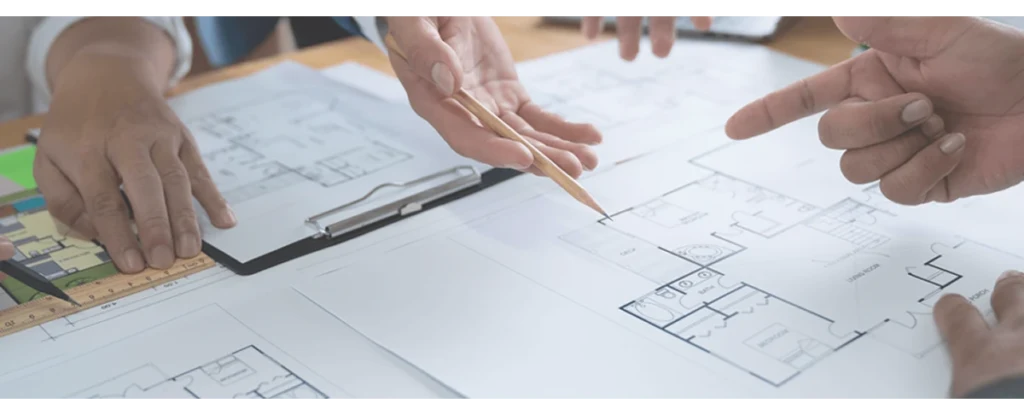
Transparent Flat Sizing: Understanding Carpet vs. Super Area
Buying a home is one of the biggest decisions most families make. People spend months researching projects, comparing floor plans, visiting sites, discussing budgets, and trying to make the right choice.
Yet many homebuyers discover something surprising only after they move in. The number they spent the most time comparing across different projects was not actually telling them how much living space they would get.
That number is usually the super area.
The number that has a much bigger impact on everyday life is the carpet area.
Understanding the difference between these two measurements is not just a technical detail. It helps buyers make better decisions, compare homes more accurately, and understand what they are truly paying for.
What Do Carpet Area and Super Area Mean?
Carpet area refers to the actual usable space inside an apartment.It includes the living room, bedrooms, kitchen, bathrooms, and internal passages. In simple terms, it is the part of the home where you live your daily life. It is where your furniture is placed, where your children play, where guests sit, and where family members spend time together.
For a young professional, carpet area can determine whether there is enough space for a dedicated work from home setup. For a growing family, it influences how comfortable the bedrooms feel and how easily daily activities fit into the available space.
Super areas are different.
It includes the carpet area along with a proportionate share of the building’s common facilities. These may include lobbies, corridors, elevators, staircases, clubhouses, landscaped areas, wellness facilities, and recreational amenities.
Both measurements are important. However, understanding what each one represents helps buyers compare properties more effectively.
For example, if an apartment has a carpet area of 1,500 square feet and a super area of 2,000 square feet, the difference represents the share of common infrastructure and amenities allocated to that apartment.
In modern residential developments, a loading of around 20% to 25% is generally considered reasonable, especially when the project includes well designed common facilities that residents use regularly.
When loading is higher, buyers should simply take a closer look at what is included. The important question is not only how much loading exists but also whether those shared spaces add value to everyday life.
A clubhouse, landscaped gardens, walking tracks, fitness facilities, community halls, and recreational zones can all contribute to a better living experience when they are thoughtfully planned and properly maintained.
The Most Common Mistake Homebuyers Make
One of the most common mistakes buyers make is comparing super areas across projects as if it directly reflects usable living space.
It does not.
Consider two apartments.
The first apartment has a super area of 2,000 square feet and a carpet area of 1,400 square feet.The second apartment has a super area of 1,850 square feet and a carpet area of 1,500 square feet.
At first glance, the first apartment appears larger. However, the second apartment actually provides more usable living space.
That additional 100 square feet can make a noticeable difference in daily life. It could mean a larger bedroom, a more comfortable dining area, additional storage, or a dedicated workspace.
This is why carpet area should always be one of the first numbers buyers evaluate when comparing homes.
Five Questions Every Buyer Should Ask
Homebuyers who understand the difference between carpet area and super area usually ask better questions.
Before comparing projects, it is worth asking:
- What is the carpet area?
- What is the loading percentage?
- What exactly is included in the super area?
- How efficient is the floor plan?
- Will the shared facilities remain useful and well-maintained in the future?
These questions help buyers move beyond marketing brochures and focus on how a home will actually function in everyday life.
The final question is often the most important.
Shared amenities may look attractive during a site visit, but their long-term value depends on planning, maintenance, and resident engagement.
Why Transparency Matters
Today’s homebuyers are far more informed than they were a decade ago. They conduct online research, compare projects carefully, review floor plans in detail, and ask specific questions before making a decision. This is a positive development for both buyers and developers.
When buyers understand carpet area, super area, and loading, they are able to make more informed choices. Their expectations are based on real measurements rather than assumptions.
For developers, greater transparency encourages better planning and clearer communication.
At its core, the conversation around carpet area and super area is really about trust.
Developers who explain these measurements clearly help buyers understand exactly what they are purchasing. This transparency creates confidence and strengthens long-term relationships between residents and developers. Trust is built when expectations and reality align from the very beginning.
How Prateek Group Thinks About Space
For over two decades, Prateek Group has been building homes across NCR. And in that time, one belief has stayed constant: a home should work for the people living in it, not just look good on paper. This shapes every decision made during planning and design.
When a floor plan is being drawn, the question is not just how many rooms fit. The question is how a family will actually move through those rooms. Where will children do their homework? Is there a quiet corner for someone who works from home? Does the kitchen connect naturally to the dining area? Can two people move through the hallway without getting in each other’s way?
These are small details. But they are the details that determine whether a home feels comfortable or frustrating to live in.
Prateek Group pays attention to these details because they matter in real life, even when they are invisible on a floor plan.
The same thinking applies to how buildings are designed. Lobbies, corridors, and entrances are planned to feel welcoming rather than purely functional. Parking is considered from the resident’s perspective. Natural light and ventilation are factored in from the beginning, not added as an afterthought.
Over the years, Prateek Group has delivered millions of square feet of residential development across NCR. Thousands of families now call these communities home. That trust has been earned through consistent quality, honest communication, and a genuine focus on long-term resident satisfaction.
The phrase Creating Landmarks, Setting Benchmarks is not just a line. It reflects a straightforward commitment: every project should be better planned, better built, and better suited to how people actually live.
Life at Prateek: More Than Just an Address
Buying a home means joining a community. And the quality of that community shapes daily life in ways that are easy to underestimate before moving in.
Life at Prateek is an initiative built around this idea. Its purpose is simple: to help residents feel genuinely connected to the place they live and to the people around them.
This goes beyond organizing events. It is about creating an environment where residents want to spend time outside their apartments, where children grow up with friends in the building, and where a sense of familiarity and belonging develops naturally over time.
Across Prateek communities, Life at Prateek brings residents together through festive celebrations, wellness activities, fitness sessions, cultural programmes, hobby groups, and family events. These are not one-time occasions. Over time, they become traditions that residents look forward to each year.
Children find open spaces to play and build friendships that often last well beyond childhood. Senior residents enjoy morning walks, green spaces, and the comfort of a familiar, safe environment. Families participate in community events that gradually bring neighbours closer together.
The parks, gardens, community halls, and recreational spaces within Prateek developments are designed specifically to support these interactions. They are not just amenities listed in a brochure. They are spaces where real moments happen, and where a residential address gradually becomes a genuine home.
A well-maintained garden where families gather in the evening. A community hall where festivals are celebrated together. A walking track where neighbours greet each other by name. These are the things that make a community feel alive.
What You Are Really Choosing
When you buy a home, you are making two decisions simultaneously.
The first is about the apartment itself. The size of the rooms, the layout, the natural light, the storage, the way the space fits your family’s daily routine.
The second is about the community you are joining. The shared spaces, the environment, the people, and the overall quality of life that comes with living in that particular development.
Understanding carpet area and super area helps you evaluate the first decision more clearly. Understanding the values and track record of the developer helps you evaluate the second.
Prateek Group has spent more than twenty years focused on both.
Every home is planned with care. Every community is built with the intention that residents will feel genuinely settled, comfortable, and proud of where they live, not just in the first year, but for many years ahead.
Because the true measure of a home is not what it looks like on the day you move in. It is how well it supports your life in the years that follow.

For more details visit Prateek Group Official Website
Connect with Prateek Group
Instagram: Prateek Group Instagram
LinkedIn: Prateek Group LinkedIn
YouTube: Prateek Group YouTube Channel
Facebook: Prateek Group Facebook Page
Corporate Office:
A-42, Sector-67, Noida, Uttar Pradesh, India
Email: info@prateekgroup.com