Newsbeat

Newsbeat

Article 67(a): Jagdeep Dhankhar Resigns as VP

Article 67(a) of the Indian Constitution Explained: Why Jagdeep Dhankhar Resigned as Vice President On July 21, 2025, India witnessed a surprising political development—Vice President Jagdeep Dhankhar submitted his resignation, citing health reasons, under Article 67(a) of the Indian Constitution. His resignation letter, addressed to President Droupadi Murmu, made his exit official. This article breaks down what Article 67(a) is, how the Vice President can resign, and what happens next—all in a simple, eco-friendly format for easy understanding. What is Article 67(a) of the Constitution? Article 67 of the Indian Constitution outlines the term, resignation, and removal of the Vice President of India. Clause (a) of this article says: “A Vice‑President may, by writing under his hand addressed to the President, resign his office.” This means the Vice President can resign at any time simply by writing a letter to the President. No approval from Parliament or the Rajya Sabha is required. The resignation becomes effective immediately once it is received by the President. This clause ensures a quick and smooth transition, with minimal bureaucratic delay. Why Did Jagdeep Dhankhar Resign? In his letter, Jagdeep Dhankhar stated: “To prioritise health care and abide by medical advice, I hereby resign … effective immediately, in accordance with Article 67(a).” The official reason given is health concerns. However, media and political experts suggest there could be deeper political tensions behind the decision. Some reports speculate differences with leadership or discomfort over certain parliamentary matters. Whatever the true reason, Dhankhar’s resignation marks only the third time in Indian history that a Vice President has stepped down before completing the full five-year term. How Rare Is a Mid-Term Resignation? Very rare. Only two other Vice Presidents in Indian history have resigned mid-term: With Jagdeep Dhankhar’s exit, he becomes the third Vice President to do so, making this a historic moment. What Happens After the Resignation? Once the resignation is accepted, here’s what happens: 1. Vacancy of Office The Vice President’s position becomes officially vacant. His duties as Chairperson of the Rajya Sabha are taken over temporarily. 2. Rajya Sabha Leadership The Deputy Chairman of the Rajya Sabha assumes the role of Presiding Officer until a new Vice President is elected. 3. Election of a New Vice President The Election Commission of India (ECI) is responsible for holding a new election as soon as possible. The Electoral College, made up of both Houses of Parliament (Lok Sabha and Rajya Sabha), votes to elect the next Vice President. 4. New Term Begins The new Vice President begins a fresh five-year term, regardless of the time left in the predecessor’s tenure. Why Article 67(a) Matters Article 67(a) is designed to ensure simplicity and transparency. It: This mechanism reflects India’s democratic flexibility, where the highest offices remain accessible and accountable. Summary Table: What You Need to Know Provision Meaning Article 67 Sets a 5-year term for the Vice President Article 67(a) Allows resignation through a written letter to the President Resignation Effect Immediate upon receipt—no approval needed Who Leads Rajya Sabha Deputy Chairman steps in temporarily New VP Election Conducted by ECI via Electoral College from both Houses of Parliament New VP Term Full 5-year term starts from date of election An Eco-Friendly Takeaway In the spirit of eco-conscious reporting, let’s highlight the simplicity and efficiency of India’s democratic processes. Article 67(a) shows us that: Final Thoughts Jagdeep Dhankhar’s resignation under Article 67(a) was unexpected, but constitutionally sound. It opens the path for a new Vice President to emerge while showcasing the maturity of India’s democratic institutions. As the Election Commission gears up for a fresh poll, all eyes are now on who will be the next face in the Vice President’s seat. Watch This Space For updates on the Vice Presidential election, profiles of top contenders, and what it means for Indian politics—stay tuned to our platform!

Newsbeat

British F-35B Emergency Landing Kerala Ends After 39 Days

🇬🇧 British F‑35B Fighter Jet Takes Off from Kerala After 39-Day Emergency Stay Thiruvananthapuram, Kerala – July 22, 2025 – In a rare aviation event that captured global attention, a British Royal Navy F‑35B stealth fighter jet, deployed aboard the HMS Prince of Wales, finally took off from Kerala after being stranded at Thiruvananthapuram International Airport for over a month. The emergency landing and subsequent extended stay drew attention not only for its strategic complexity but also for its diplomatic and public impact. ✈️ The Emergency Landing That Made Headlines On June 14, 2025, the F‑35B Lightning II, considered one of the world’s most advanced fighter jets, declared a Squawk 7700 distress signal due to hydraulic failure, auxiliary power system issues, low fuel, and severe monsoon weather while flying over the Arabian Sea. The pilot skillfully diverted the aircraft and landed it safely at Kerala’s designated emergency airstrip, located at Bay 4 of the international airport. The Indian Air Force (IAF) promptly provided refueling support, and the Central Industrial Security Force (CISF) secured the jet under tight surveillance, in line with standard international military emergency protocols. 🛠️ Repairs, Reinforcements & Royal Engineers Following initial inspections by the Royal Navy engineers, it was evident that the fighter jet couldn’t be repaired with onboard resources. This led to the deployment of a 24-member Royal Air Force (RAF) engineering team, flown in on July 6 aboard an Airbus A400M Atlas military transporter, along with critical equipment and diagnostic tools. The aircraft was later shifted to the Air India Engineering Services Ltd. (AIESL) MRO hangar, where it underwent full system diagnostics and repair, focusing on hydraulics, auxiliary power units, control surfaces, brakes, and landing gear mechanisms. After rigorous checks and system resets, the jet was deemed airworthy by July 21. 💰 Prolonged Stay & Cost Implications Grounded for nearly 39 days, the aircraft’s unplanned stay in India came with significant logistical and financial implications. The airport levied a parking fee of ₹26,261 per day, which added up to ₹9.19 lakh (approx. USD $11,100). Additional costs for using the MRO hangar are expected to be billed separately by Air India based on standard aerospace maintenance tariffs. The UK Government has agreed to cover all costs through defense liaison teams and partners such as the Bird Group, who helped facilitate the local coordination. 🛫 Final Takeoff & Flight Path On the morning of July 22 at around 10:50 AM IST, the repaired F‑35B stealth jet took off from Thiruvananthapuram, headed for Darwin, Northern Australia, to rejoin the HMS Prince of Wales, which is part of Carrier Strike Group 25 operating in the Indo-Pacific in coordination with the U.S. Navy and Royal Australian Navy as part of the Talisman Sabre 2025 exercises. A spokesperson from the British High Commission in India and UK Defence Liaison Office thanked Indian authorities for their support, professionalism, and cooperation throughout the ordeal. 📱 From Diplomatic Situation to Internet Sensation While the emergency stay was serious, it didn’t escape the attention of the internet. The incident gave rise to viral memes and social media posts, especially after Kerala Tourism shared a humorous AI-generated image of the fighter jet with the caption: “Kerala is such an amazing place, I don’t want to leave. Definitely recommend.” This light-hearted approach helped turn a stressful military episode into a viral tourism moment and showcased India’s soft power in digital diplomacy. 🔐 Security Assurances & Strategic Confidence Given the classified technology on board the F‑35B, including stealth capabilities, advanced avionics, and radar systems, there were global concerns regarding data breaches or unauthorized access. Indian authorities confirmed that the aircraft was under UK-led supervision at all times, and no Indian personnel had unsupervised access to the jet or its sensitive systems. Despite India not being a participant in the F‑35 program, all security protocols were strictly followed, reinforcing mutual trust and transparency between the UK and India. 🧭 Key Takeaways Aspect Detail Emergency Landing June 14 – Due to hydraulic & power failure Repair Duration 39 days (June 14 – July 22) Parking Charges ₹26,261/day → ₹9.19 lakh total Technical Repairs RAF engineers + Air India MRO Departure July 22 at 10:50 AM IST to Darwin, Australia Security Strict UK supervision; no tech compromise 🌍 Why This Matters on the Global Stage 🚀 What Lies Ahead? The F‑35B will resume its operational duties with the HMS Prince of Wales in the Indo-Pacific, while Air India MRO is expected to finalize its invoice for additional maintenance services. Experts suggest this event could act as a case study for enhanced military aviation agreements, especially in the context of AUKUS-aligned Indo-Pacific strategies.

Newsbeat

Uorfi Javed Removes Lip Fillers After 9 Years

Uorfi Javed Calls It Out: Dissolves 9‑Year‑Old Lip Fillers & Shares Unfiltered Journey What Went Down Uorfi Javed, the 27-year-old reality TV star and widely-followed fashion influencer, made headlines recently after choosing to dissolve her lip fillers—a cosmetic enhancement she had received at just 18 years old. In a now-viral Instagram reel, Uorfi boldly documented the painful and raw aftermath of the procedure. The video shows her seated in a clinical setting, visibly uncomfortable as her lips swell dramatically. Yet she maintains her candor, stating: “No, this is not a filter… I decided to get my fillers dissolved as they were very misplaced… Dissolving is painful. And it’s very, very important you go to a good doctor for fillers; these fancy-clinic doctors know nothing.” The Science & Risks: Why It Matters What Happens During Filler Dissolution? Most lip fillers are made of hyaluronic acid, a naturally occurring substance. To dissolve them, doctors inject hyaluronidase, an enzyme that safely breaks down the acid over time. The session typically lasts 10–15 minutes, but the post-procedure effects—like swelling, redness, and tenderness—can persist for days. Risks & Precautions to Know Getting fillers might sound simple, but it comes with risks, especially if performed by underqualified practitioners. Possible side effects include: Dr. Rashmi Sharma, a dermatologist from Fortis Hospital, Delhi, stresses that these procedures must only be performed by certified professionals in sterile, clinical settings. Her tips for safety: Context: Uorfi’s Narrative of Authenticity Over the years, Uorfi Javed has become synonymous with unapologetic expression and raw authenticity. With over 5.3 million followers on Instagram and a net worth estimated at ₹173 crore, she’s not just a trendsetter—she’s a disruptor. Fashion Iconoclast From bold airport looks to criticizing the glam of Cannes, Uorfi continually challenges beauty norms and expectations placed on women in the public eye. Reality-TV Tactician Uorfi co-won the reality show The Traitors on Prime Video, earning respect not only for her strategy but also for her emotional strength in the face of online hate and personal attacks. Advocate of Honesty Whether it’s a fashion choice, a cosmetic procedure, or standing up to trolls, Uorfi consistently promotes self-care over perfection. That’s why this lip filler removal video hits differently—it isn’t just a social post; it’s a statement of self-awareness, vulnerability, and courage. Public Sentiment & Social Impact Uorfi’s reel quickly went viral—and sparked mixed reactions across social media. Praise for Her Courage Many fans applauded her for being so honest: “It takes a lot of guts to post this. Respect,” said one user.“People need to stop judging—it’s her face, her choice,” wrote another. Criticism of Influencer Culture Some Reddit users weren’t convinced, suggesting: “This isn’t transparency—it’s attention-seeking. Let’s stop glorifying this as courage.” Positive Expert Take Healthcare professionals and responsible viewers appreciated Uorfi’s insistence on: What This Signals Redefining Beauty Norms By showing the real side of a cosmetic fix, Uorfi chips away at the illusion of effortless glam. It’s a push towards body positivity and realism. Informed Choice Advocacy By sharing details about her filler journey and naming specific safety tips, she encourages young followers to think critically before chasing trends. Reinvention Through Realness From Bigg Boss OTT to The Traitors, and now this public filler reversal, Uorfi isn’t just building a career—she’s building a legacy of fearless authenticity.

Newsbeat

Coldplay Kiss-Cam Sparks Viral Corporate Scandal

Coldplay Kiss-Cam Chaos: How a Concert Turned Into a Corporate Controversy What was supposed to be an evening of soulful music and celebration quickly turned into a viral internet storm. During Coldplay’s recent “Music of the Spheres” concert at Gillette Stadium in Boston, a seemingly playful “kiss-cam” moment featuring two executives from the tech firm Astronomer escalated into an international social media frenzy — sparking memes, investigations, resignations, and headlines around the world. The Moment That Sparked a Digital Firestorm As part of the entertainment between Coldplay’s sets, the concert’s big screens zoomed in on a couple sitting together in the audience. What followed was unexpected. The camera lingered on Andy Byron, then-CEO of Astronomer, and Kristin Cabot, the company’s HR head, who appeared visibly uncomfortable and seemingly caught off guard. Coldplay frontman Chris Martin tried to ease the moment with humor, saying, “We’d like to say hello to some of you in the crowd,” offering a stage-wise acknowledgment of the awkwardness that had just played out live in front of thousands. But the moment had already made its impact — the internet was about to take over. From Coldplay to “Coldplayed”: How It Went Viral Within minutes, the clip found its way onto social media. Viewers were quick to point out the corporate branding associated with the couple — especially after digging into their LinkedIn profiles. The incident soon earned the nickname “Coldplayed,” with netizens turning the word into a verb that encapsulates awkward, unwanted exposure in public. Memes flooded Twitter, Instagram, and Reddit, many highlighting the supposed “CEO-HR” dynamic, poking fun at workplace relationships, and even dragging fictional universes like Baahubali into the mix. One viral meme labeled the duo as the “CEO & HR of Maahishmathi,” referencing the iconic Indian film in a tongue-in-cheek satire.  Baseball Teams and Brands Join the Banter The virality wasn’t limited to fans. Major League Baseball teams like the Seattle Mariners and the Philadelphia Phillies took the opportunity to join the meme fest. From customized kiss-cam reenactments on the field to mascots mimicking the viral moment, the incident crossed over from the music and tech worlds into sports and pop culture. Some brands even created mock email IDs like “BigDumper@Mariners.com” to continue the satire online. It became clear that the moment had moved beyond gossip — it had become a case study in how fast digital culture can reframe reality. Real-World Consequences: Resignation and Internal Probes While the internet laughed, the real-world impact was swift and serious. Andy Byron resigned as CEO of Astronomer shortly after the video gained widespread traction. His decision came amid increasing speculation about a possible relationship with HR head Kristin Cabot, leading to discussions about ethics, power dynamics, and professional boundaries. To add to the controversy, Cabot’s old LinkedIn post — which stated she “wins trust with CEOs” — resurfaced and was widely circulated with ironic undertones. Astronomer’s Board has since launched an internal investigation into the incident, emphasizing the need to uphold professional conduct and corporate responsibility. No official statement from Byron or Cabot has been released at the time of writing. Pop Culture Echoes and Meme Culture’s Power The kiss-cam moment quickly became a cultural touchstone. Social media platforms were filled with reactions from celebrities, influencers, and everyday users alike. K-pop fans contributed by sharing a clip of BTS’s Jin imitating a similar gesture, giving the moment global relatability. Even NFL player Antonio Brown posted a provocative meme referencing the situation, further amplifying its reach across diverse online communities. Entertainment Meets Corporate Reality Coldplay’s Boston show was initially celebrated for its musical brilliance, emotional connection with fans, and eco-conscious message. But the attention swiftly shifted to the now-infamous kiss-cam moment. The band’s attempt at interactive engagement inadvertently exposed a complex web of personal and corporate entanglements. Later in the same concert, Chris Martin redeemed the mood by inviting a genuine Indian couple to the stage after spotting their engagement sign in the crowd. This wholesome moment helped restore balance to an otherwise chaotic news cycle, reminding fans of the show’s original purpose — love, connection, and music. Larger Questions Raised: Privacy, Consent, and Corporate Ethics This incident has opened up broader conversations: As “Coldplayed” continues to trend, companies may need to rethink internal policies around workplace relationships, reputation management, and digital privacy. Coldplay’s Tour: A Cultural Milestone with a Twist Coldplay’s “Music of the Spheres” tour has been a monumental success, breaking attendance records and pushing boundaries in sustainable concert production. In India, the Ahmedabad leg of the tour saw ticket scalping, celebrity attendance, and a packed Narendra Modi Stadium. Yet, despite its musical success, the Boston incident proves how one unscripted moment can eclipse an entire concert — leaving behind lessons not just in branding, but in human behavior and digital consequences. Conclusion: A Snapshot of Modern Virality The Coldplay kiss-cam incident is more than just a funny video — it’s a lens into how fast our digital world moves, how jokes become trends, and how lives can change in under 30 seconds of screen time. In an era of instant virality, this story reminds us that every camera is live, every moment is sharable, and sometimes, being caught off-guard can lead to a corporate storm that even a global band’s magic can’t undo.

Newsbeat

Mumbai Train Blast Case: All 12 Convicts Acquitted

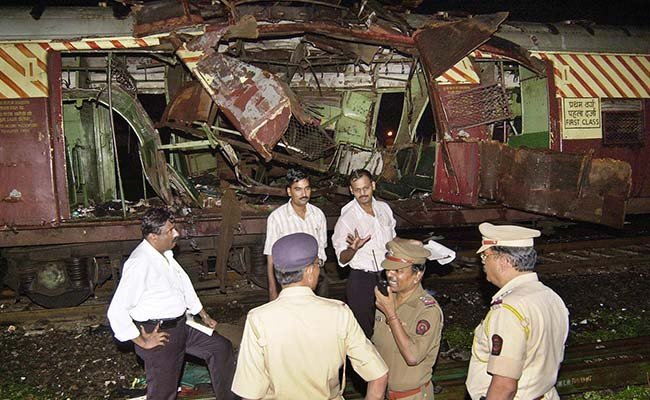
2006 Mumbai Train Blasts: All 12 Convicts Acquitted After 19 Years Mumbai, July 21, 2025:In a landmark decision nearly two decades after one of India’s deadliest terror attacks, the Bombay High Court has acquitted all 12 individuals previously convicted in the 2006 Mumbai train bombings. The blasts, which occurred on July 11, 2006, left 189 people dead and over 800 injured, shaking the nation to its core. Background: What Happened on July 11, 2006? On the evening of July 11, 2006, seven powerful bombs exploded within a span of 11 minutes on Mumbai’s suburban railway network during peak hours. These bombs were placed in first-class compartments of local trains running on the Western line – the city’s lifeline. The serial blasts occurred between 6:24 PM and 6:35 PM, targeting the most crowded trains and coaches. The coordinated attacks led to mass casualties, panic across the city, and one of the biggest manhunts in the history of India’s counterterrorism efforts. The incident was attributed to the use of pressure cooker bombs filled with RDX and ammonium nitrate. The Investigation and Trial Following an extensive investigation, the Anti-Terrorism Squad (ATS) arrested several individuals believed to have links with the banned outfit Students Islamic Movement of India (SIMI) and alleged Pakistani operatives. A total of 13 people were accused in the case, out of which one died during the trial. In September 2015, a special Maharashtra Control of Organised Crime Act (MCOCA) court convicted 12 accused. Of them, five were sentenced to death and seven to life imprisonment. The court based its decision on confessional statements, witness testimonies, and forensic evidence presented by the prosecution. The Bombay High Court’s Verdict: July 21, 2025 On July 21, 2025, a division bench comprising Justice Anil Kilor and Justice Shyam Chandak reversed the trial court’s judgment, stating that the prosecution had “utterly failed” to prove the case beyond reasonable doubt. The court, after re-evaluating the evidence and testimonies, concluded that the chain of circumstances presented during the trial was incomplete and lacked corroboration. According to the judges, key pieces of evidence were either unreliable, insufficient, or not presented according to due process of law. The High Court emphasized that in a case of such magnitude, the burden of proof lies heavily on the prosecution, and any lapses or procedural irregularities could not be overlooked, especially when the accused were facing capital punishment. Reactions to the Acquittal The acquittal has stirred a wide range of reactions: Key Observations from the High Court What’s Next? With this verdict, the 12 men who spent years in prison and faced the most severe sentences under Indian law are now legally free. However, the state may file a review petition in the Supreme Court, which could potentially reopen the matter depending on the apex court’s discretion. For now, this judgment stands as a reminder of both the complexity of terror-related cases and the critical importance of foolproof investigation and legal adherence when dealing with such serious allegations. Conclusion The 2006 Mumbai train bombings remain a dark chapter in India’s modern history, not just because of the sheer scale of loss but also due to the long-drawn legal battle that followed. With today’s acquittal of all 12 accused, the case re-enters public discourse — this time, not about justice served, but about justice delayed and possibly denied, both for the victims and for the accused who have now been found not guilty.

Newsbeat

Saiyaara Box Office: ₹20 Cr Debut for Ahaan Panday

Saiyaara Box Office Day 1: A Blockbuster ₹20 Crore Debut for Ahaan Panday In a year crowded with high-profile releases and veteran stars, Saiyaara has managed to steal the spotlight with a staggering ₹20 crore opening on its first day. Directed by Mohit Suri and produced by Yash Raj Films, the film stars newcomers Ahaan Panday and Aneet Padda—and yet, it has managed to surpass many big-budget films in terms of Day 1 earnings, marking a truly historic debut. 🔥 A Debut That Defied Expectations Debut films usually come with tempered expectations. However, Saiyaara has proved to be an exception. As per industry tracker Sacnilk, the film collected ₹20 crore net on Day 1, making it the fourth-biggest opener of 2025, behind only Chhaava (₹31 crore), Sikandar (₹26 crore), and Housefull 5 (₹24 crore). In doing so, it overtook opening day numbers of films led by stalwarts like Ajay Devgn (Raid 2) and Aamir Khan (Sitaare Zameen Par). What makes this achievement more impressive is that both leads—Ahaan and Aneet—are fresh faces in a highly competitive industry. While Ahaan is known for his lineage as the nephew of Chunky Panday and cousin to Ananya Panday, Saiyaara marks his true debut on the silver screen. Aneet, though seen earlier in Big Girls Don’t Cry and Salaam Venky, is also relatively new to mainstream cinema. 🎟️ Advance Bookings and Show Occupancy The buzz around Saiyaara was evident even before release. Within the first 24 hours of advance bookings, over 45,000 tickets were sold across PVR, INOX, and Cinepolis chains. On release day, the film sold 419,000 tickets via BookMyShow, second only to Chhaava’s record-setting 669,000. It also outperformed Housefull 5, which sold 295,000 tickets on Day 1. The film had more than 7000 screenings nationwide on its opening day, and theatre occupancy remained strong: Regionally, Saiyaara performed exceptionally well in cities like Jaipur and Lucknow, with occupancy hitting 76%. Delhi-NCR had 800+ shows at 60% occupancy, and Mumbai saw 650+ shows with a moderate 43% turnout. ⭐ Breaking Debut Records Ahaan Panday now holds the title for biggest opening day by a debut actor in Hindi cinema, surpassing Dhadak (₹8.76 crore). Saiyaara even outshined the opening day business of Aamir Khan’s Sitaare Zameen Par (₹10.7 crore) and Akshay Kumar’s Sky Force (₹12.25 crore). For a film led by fresh talent, these numbers are truly historic. 🎧 The Music and Romance Factor Trade analysts have pointed out that Saiyaara’s success goes beyond just debut curiosity. The film’s melodic soundtrack, emotionally engaging screenplay, and Mohit Suri’s signature romantic tone have resonated with audiences. Entertainment writers have drawn parallels to the musical legacy of Aashiqui 2, another Mohit Suri success story. By the evening of its release day, Saiyaara had already raked in ₹14 crore, and the final Day 1 total sealed at ₹20 crore, as predicted by box office experts. 🎬 Positive Reviews and Word-of-Mouth Critics have largely praised the film. The Times of India rated it 3 out of 5, calling it “visually lush, emotionally compelling, and musically rich,” albeit with minor pacing flaws. Public response has also been positive, indicating that the film is likely to benefit from strong word-of-mouth over the weekend. 📊 A Win for Yash Raj Films For Yash Raj Films, Saiyaara represents a much-needed win outside their Spy Universe. It has been nearly a decade since the banner had a breakthrough success in a genre outside action thrillers. According to film trade analyst Sumit Kadel, the film signals a “strong revival” not just for YRF, but also for romantic dramas in mainstream Bollywood. 💰 Weekend Forecast and Box Office Outlook Given its solid start, Saiyaara is now projected to comfortably enter the ₹70–₹80 crore weekend club. If current momentum continues, it could even challenge the ₹100 crore mark in its first week. Early estimates suggest that the film may recover its full production cost by Sunday night. Its mix of high ticket sales, strong occupancy, and debutant buzz makes it one of the rare Hindi films in recent years to open big without relying on star power or franchise branding. 📝 Final Verdict Saiyaara isn’t just another romantic drama—it’s a game-changer for debut-led films in Bollywood. The ₹20 crore opening isn’t just a number; it reflects a powerful combination of audience trust, nostalgic music, emotional storytelling, and fresh energy. If the trend holds, Saiyaara could very well be the dark horse of 2025—a film that rewrites what a debut movie can achieve in today’s box office landscape. With a strong start and growing audience love, Saiyaara is clearly here to stay.

Newsbeat

Nitish Kumar Announces Free Electricity for Biharv

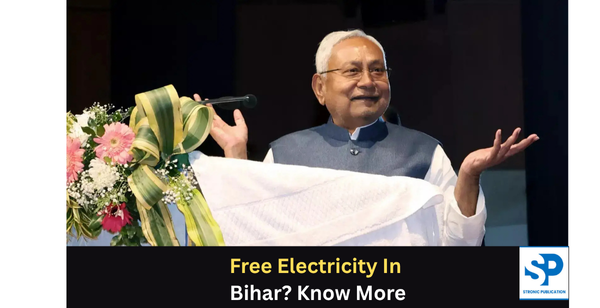
Nitish Kumar Announces Free Electricity for Bihar Households Ahead of Assembly Elections Patna, July 17, 2025 – In a major pre-election announcement, Bihar Chief Minister Nitish Kumar declared that starting August 1, 2025, all domestic electricity consumers in the state will receive free electricity up to 125 units. The move is widely seen as a significant relief to households amid rising power bills and inflation, and it comes just months before the Bihar Assembly Elections, likely scheduled for October or November. The announcement was made via the CM’s official handle on X (formerly Twitter), where he emphasized that the state has consistently prioritized affordable electricity for its people. “We have been providing electricity at a cheaper rate since the beginning. Now, from the July bill onwards, domestic consumers will not have to pay anything for the first 125 units,” said Kumar. Free Electricity for Over 1.67 Crore Families According to official estimates, the scheme will benefit approximately 1 crore 67 lakh families across Bihar. The initiative aims to reduce the financial burden on lower- and middle-income households, many of whom struggle with monthly utility costs. With this move, the Nitish Kumar-led government is not just offering a financial incentive but also laying the groundwork for energy accessibility as a basic right. This scheme is part of a broader strategy to enhance welfare delivery ahead of the upcoming elections and bolster support in both urban and rural constituencies. Solar Power Push: Rooftop Panels to Empower Homes In another progressive step toward sustainable energy, Nitish Kumar also announced the installation of rooftop solar panels for domestic consumers. These will be set up either on rooftops or nearby public spaces, with the consent of the households. This project is expected to roll out over the next three years and will be a game-changer for energy sustainability in the state. For economically weaker sections, especially those covered under the Kutir Jyoti Scheme, the government will bear the entire cost of solar panel installations. Other households will receive appropriate financial and logistical support to make the transition easier. This solar energy push aligns with Bihar’s goal of becoming more energy-independent and environmentally responsible while also generating local employment in installation and maintenance services. Strategic Timing Ahead of Assembly Polls The announcement comes at a politically significant time. With the 2025 Bihar Assembly Elections looming, such populist measures are expected to influence voter sentiment. Though the Election Commission has not yet declared the dates, the state is preparing for elections likely to be held in October or November. Political analysts suggest that this announcement is part of a calculated strategy by the Janata Dal (United) to regain and consolidate its voter base, especially in the wake of recent political shifts and challenges from opposition parties. Focus on Employment: TRE-4 Recruitment Drive In another major development, Nitish Kumar has also instructed the education department to expedite the process of teacher recruitment under TRE-4 (Teachers’ Recruitment Exam). The move follows a series of past recruitment phases: The new TRE-4 drive is expected to address the remaining gaps in government school staffing and enhance the quality of education across the state. Reactions and Public Sentiment Initial public reactions to the announcement have been largely positive, especially among low-income and rural households. Many residents have expressed hope that these measures will ease their monthly expenses and improve access to clean, affordable energy. Experts, however, caution that while such welfare schemes are beneficial, their long-term sustainability and fiscal implications must be carefully managed. Energy policy analyst R.K. Mishra noted, “Free electricity and solar initiatives are forward-looking, but the government must ensure that the power infrastructure and budgetary support are robust enough to handle the financial impact.” Nitish Kumar’s Vision for Bihar With these announcements, Nitish Kumar appears to be doubling down on his image as a development-oriented leader. By focusing on electricity, employment, and renewable energy, the government is attempting to address both short-term needs and long-term goals. Over the past two decades, Nitish Kumar has maintained a strong presence in Bihar politics, often leveraging infrastructure development and welfare schemes to retain public support. Whether this latest announcement will translate into electoral gains remains to be seen.

Newsbeat

Ganga Floods Bade Hanuman Temple in Shrawan 2025

Ganga Floods Bade Hanuman Temple on First Tuesday of Shrawan: A Divine Mahasnan Captured by Devotees Prayagraj, July 16, 2025 — In a rare and spiritually charged moment, the sacred Bade Hanuman temple in Prayagraj witnessed the holy waters of the Ganga entering its sanctum on the very first Tuesday of the Shrawan month. What made this moment extraordinary wasn’t just the early monsoon surge, but the alignment of this natural event with an auspicious day in the Hindu calendar, creating what devotees are calling a “divine Mahasnan.” A Rare Phenomenon: Ganga Enters Temple Prematurely Traditionally, the floodwaters of the Ganga and Yamuna rise to the level of the Bade Hanuman temple during August, after several weeks of continuous monsoon rain. However, in an unusual shift this year, the rivers swelled dramatically overnight on July 15, rising nearly a meter and entering the temple premises by the afternoon of July 16. The sudden rise in water levels was attributed to continuous upstream rainfall and increased discharge from barrages. By Monday evening, floodwater had already started lapping the corridor surrounding the temple. By Tuesday afternoon, it breached the temple’s stairs, and within the hour, completely submerged the unique, reclining idol of Lord Hanuman. The Significance of Shrawan and Tuesdays In Hindu belief, the month of Shrawan (July–August) is considered one of the holiest periods for worship and spiritual practice. Tuesdays during this month hold added significance, especially for the devotees of Lord Hanuman — the powerful deity known for his strength, devotion, and protection. For the devout, the first Tuesday of Shrawan is an occasion to offer prayers, observe fasts, and perform rituals. The fact that this year’s natural Mahasnan of the deity coincided with this spiritually loaded day added a deeper dimension to the event. Devotees Witness a Sacred Mahasnan Hundreds of devotees who had gathered at the temple for routine worship were awe-struck to witness the sacred ritual unfold naturally. Many captured the moment on their smartphones, while others chanted Hanuman Chalisa and offered flowers, incense, and prayers as the floodwaters gently enveloped the idol. For many, it was a once-in-a-lifetime experience. “It felt like the river itself came to do the abhishek (ritual bathing) of Lord Hanuman,” said Rajesh Mishra, a local priest. “This is not just a flood; it’s a blessing.” Videos and images of the event quickly went viral on social media, with hashtags like #Mahasnan, #BadeHanuman, and #GangaBlessing trending across platforms. The Temple and Its Unique Reclining Idol Situated near Sangam, where the Ganga, Yamuna, and mythical Saraswati rivers meet, the Bade Hanuman temple is one of Prayagraj’s most iconic spiritual landmarks. What sets it apart is the idol of Hanuman in a reclining posture — an extremely rare depiction of the deity. Locals believe that Lord Hanuman rests here after completing his duties for Lord Ram, and the temple sees a constant flow of devotees seeking strength, courage, and spiritual guidance. The Ganga entering this temple is seen as nature’s own offering — an event that turns the temple grounds into a celestial amphitheatre of faith. Flood Preparedness and Devotional Spirit Authorities in Prayagraj had anticipated the rising river levels and had already issued flood warnings. Barricades were placed near vulnerable spots and disaster response teams remained on alert. Despite the looming risk of flood damage, no major incidents were reported in the temple premises as of Tuesday evening. Temple caretakers, too, were well-prepared. Sandbags were positioned around the sanctum, and emergency lighting ensured that rituals could continue despite the water’s advance. Yet, it was the calm, reverent mood of the devotees that stood out. “Usually floods bring fear, but this time it brought faith,” said a volunteer distributing prasad (holy offerings). “No one was panicking. Everyone was just grateful to witness this divine spectacle.” A Divine Message from Nature? As climate patterns grow more unpredictable and river behavior shifts, this early flooding of the Bade Hanuman temple is being seen by many as a reminder of nature’s raw power — and also its divine timing. Spiritual leaders in the region have called for group prayers and havans (fire rituals) throughout the rest of the Shrawan month, both to express gratitude and to seek protection from potential natural calamities. In a world increasingly shaped by uncertainty, moments like these serve as anchors of belief and unity. As one devotee wrote on social media, “In the embrace of the Ganga, even floods feel like blessings when they touch the feet of our Lord Hanuman

Newsbeat

Jaishankar’s China Visit: Key Diplomatic Milestones

🇮🇳 EAM Jaishankar’s China Visit: A Strategic Step Toward India-China Normalization Beijing, July 15, 2025 — In a pivotal development for India-China diplomatic ties, External Affairs Minister Dr. S. Jaishankar arrived in Beijing on July 14 for a two-day visit to attend the Shanghai Cooperation Organisation (SCO) Foreign Ministers’ Conclave. This marked his first official visit to China since the 2020 Galwan Valley clash, and the first high-level engagement since the landmark border disengagement agreement in October 2024. The visit carried symbolic weight, indicating a cautious shift from confrontation toward constructive engagement between the two Asian giants. With tensions easing post-Galwan, Jaishankar’s visit signals India’s intent to stabilize relations with China without compromising on core issues such as border security and trade fairness. From Galwan to Beijing: A Shift in Diplomatic Tone The India-China relationship had deteriorated following the violent clash in Galwan Valley in June 2020, which led to military and diplomatic standoffs across several sectors of the Line of Actual Control (LAC). However, after years of negotiations, both nations reached a breakthrough in October 2024, agreeing to disengage from the remaining contentious points in Depsang and Demchok. Jaishankar’s arrival in Beijing—just nine months after this development—represents a key diplomatic pivot. His primary goal: to explore long-term strategies for sustained peace and cooperation, while also ensuring that India’s strategic concerns are addressed at the highest levels. Meeting with President Xi Jinping at the SCO Conclave On July 15, Jaishankar, along with other foreign ministers from SCO member states, met with Chinese President Xi Jinping. During this significant interaction, he extended greetings on behalf of President Droupadi Murmu and Prime Minister Narendra Modi and updated Xi on recent developments in bilateral relations. He emphasized that “differences should not become disputes, and competition should not become conflict,” reflecting India’s balanced approach toward China—assertive on sovereignty, but open to cooperation in global and regional platforms like the SCO. Key Topics Discussed: From Borders to Minerals 1. Border De‑escalation In his earlier discussions with Chinese Foreign Minister Wang Yi, Jaishankar pressed for deeper commitments to border de-escalation and confidence-building along the LAC. While both sides have made “tangible progress” in recent months, the Indian minister highlighted that long-term peace will require sustained efforts, verification mechanisms, and political will. 2. Trade and Critical Minerals A major concern raised by Jaishankar was China’s recent decision to impose export restrictions on critical minerals, such as gallium and germanium—key elements in clean energy and semiconductor production. These export controls, if prolonged, could disrupt global supply chains, especially in technology and green sectors. He urged China to avoid creating unnecessary trade barriers, warning that such restrictions could have long-term consequences for regional economic stability. 3. Multilateral Cooperation via the SCO Jaishankar reiterated India’s vision for the Shanghai Cooperation Organisation as a platform to address shared challenges, including terrorism, energy security, and economic development. While acknowledging the natural competition within the region, he stressed the importance of dialogue and mutual respect in preventing escalation. Why This Visit Matters Rebuilding Trust Post-Galwan This visit marks the first high-level bilateral exchange since the Galwan clash, signifying a diplomatic reset. It shows India’s strategic patience and diplomatic maturity, seeking to resolve disputes while strengthening regional partnerships. Resumption of Institutional Dialogue Since the October 2024 disengagement, both nations have reopened military, diplomatic, and working group channels, paving the way for structured dialogue. Jaishankar’s visit will likely accelerate foreign secretary-level talks, promoting a roadmap for peace. Regional Stability and Global Trade India and China are not only major powers in Asia but also crucial voices in global trade and climate diplomacy. Jaishankar’s appeal to ease export curbs and restore trade fairness echoes concerns from several SCO nations that rely on stable supply chains for economic growth. 🇮🇳 Who is Dr. S. Jaishankar? A seasoned diplomat and former Indian Ambassador to China (2009–2013) and the United States (2013–2015), Dr. Subrahmanyam Jaishankar has been India’s External Affairs Minister since 2019. A PhD holder in International Relations from JNU, his expertise in strategic diplomacy and his deep understanding of China make him one of India’s most respected foreign policy architects. What Lies Ahead? 🔹 Bilateral Mechanism Reboot The visit is expected to lead to enhanced coordination between working groups, particularly on border security, trade frameworks, and cultural exchanges. 🔹 Continued Border Monitoring Experts anticipate more detailed protocols to ensure troop pullbacks are verified, and that infrastructure development on both sides of the LAC follows agreed norms. 🔹 Global Trade Discussions India will closely monitor China’s actions on critical minerals, while collaborating with like-minded nations to secure alternative supply chains if needed. Conclusion: Diplomacy With Caution and Purpose EAM Jaishankar’s visit to China reflects India’s dual-track strategy—firm on national interests, but open to dialogue. The emphasis on border stability, economic fairness, and multilateral engagement reflects a shift from confrontation to cautious cooperation. As India and China navigate this evolving relationship, their actions will not only define the future of bilateral diplomacy but also shape Eurasian stability and global economic resilience.

Scroll to Top